You're six months into a solid engagement. The team is adopted on HubSpot, the pipeline is clean, and your client is starting to see real value from the CRM. Then you get on a call and they mention, almost offhand, that they're "looking at some other tools for quoting." That's not a feature request. That's a churn signal, and it usually shows up in a handful of ways before the client ever says it out loud.
Here are the five patterns worth watching for in your manufacturing accounts.
Sign 1: Reps Are Keeping Their Own Pricing Spreadsheets
HubSpot's native quoting works well when pricing is straightforward. Discrete manufacturers rarely have straightforward pricing. When reps start maintaining a personal Excel file alongside HubSpot because "the system doesn't capture how we actually price things," the quoting process has already outgrown the tool. The spreadsheet isn't the problem. The spreadsheet is the symptom.
At this point your client has two sources of quoting truth running in parallel, which means you've lost data integrity in the CRM. That's the exact thing you spent months building.
Sign 2: Approvals Are Happening in Email or Slack
Watch where deal approvals actually live. If a sales manager is reviewing quotes in a Slack thread and replying "approved" before the deal moves forward, HubSpot isn't the system of record for that step. Approvals outside the CRM create audit gaps, slow down deals, and make it genuinely hard to know whether a discount was authorized or just assumed.
This is common in manufacturing accounts because margins are often negotiated per deal, not set by a price list. When there's no structured approval workflow in the CRM, "approved" becomes whoever replied fastest in the thread.
Sign 3: One Person "Knows the Pricing"
Every manufacturing company has one. The ops manager who's been there 12 years. The sales director who built the margin model. The owner who still quotes every custom job personally. When pricing knowledge lives in one person rather than in a system, quoting doesn't scale, and it's fragile. One departure, one medical leave, one promotion, and the whole quoting process grinds to a halt.
This isn't a HubSpot problem specifically. It's a business risk your client probably hasn't framed that way yet. Framing it that way, before it becomes a crisis, is a useful thing a good partner does.
Sign 4: They're Asking for Features HubSpot Doesn't Have
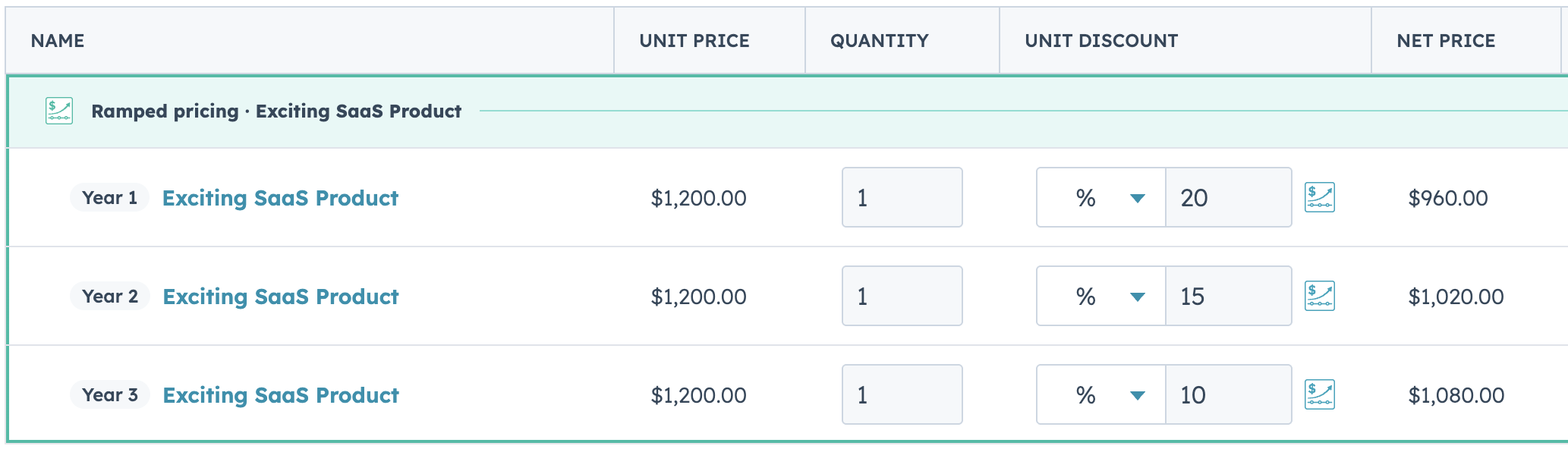
Conditional pricing. Multi-stage approval routing. Bundle logic that changes based on configuration. When clients start asking whether HubSpot can do these things, they've already mapped their actual quoting workflow against what the tool does and found the gaps. That's not a complaint. That's the opening for a cpq for hubspot conversation.
The worst move at this moment is to say "HubSpot doesn't do that" and stop there. The better move: "That's a sign you're ready for a quoting layer. Let me show you what that looks like inside HubSpot."
Sign 5: They Have Product Configuration Complexity
Assemble-to-order manufacturers, companies selling bundled equipment with optional accessories, businesses where the final configuration drives the price — these companies are trying to use a quoting tool designed for services or simple SKUs. When a rep has to manually calculate what a custom configuration costs before they can even enter a line item, native quoting isn't just inconvenient. It's a source of quoting errors that go directly to margin.
If your client's product catalog includes configurable items, bundles, or options-based pricing, native quoting will eventually fail them. The question is whether you're the one who spots it first.
How to Position the CPQ Conversation Without It Sounding Like an Upsell
The direct way to open this: "We've been watching your quoting workflow, and I want to show you something." Then walk through whatever signals you've seen in their account. Don't lead with a product pitch. Lead with the specific friction you've observed — the approval Slack messages, the spreadsheet sitting next to HubSpot, the custom configuration that takes 40 minutes to price manually.
The goal is to position CPQ for HubSpot as the natural next layer on the platform they've already invested in, not as a separate tool they have to manage. When clients hear "this stays inside HubSpot," the conversation changes.
What the Quotivity Partner Program Gives You
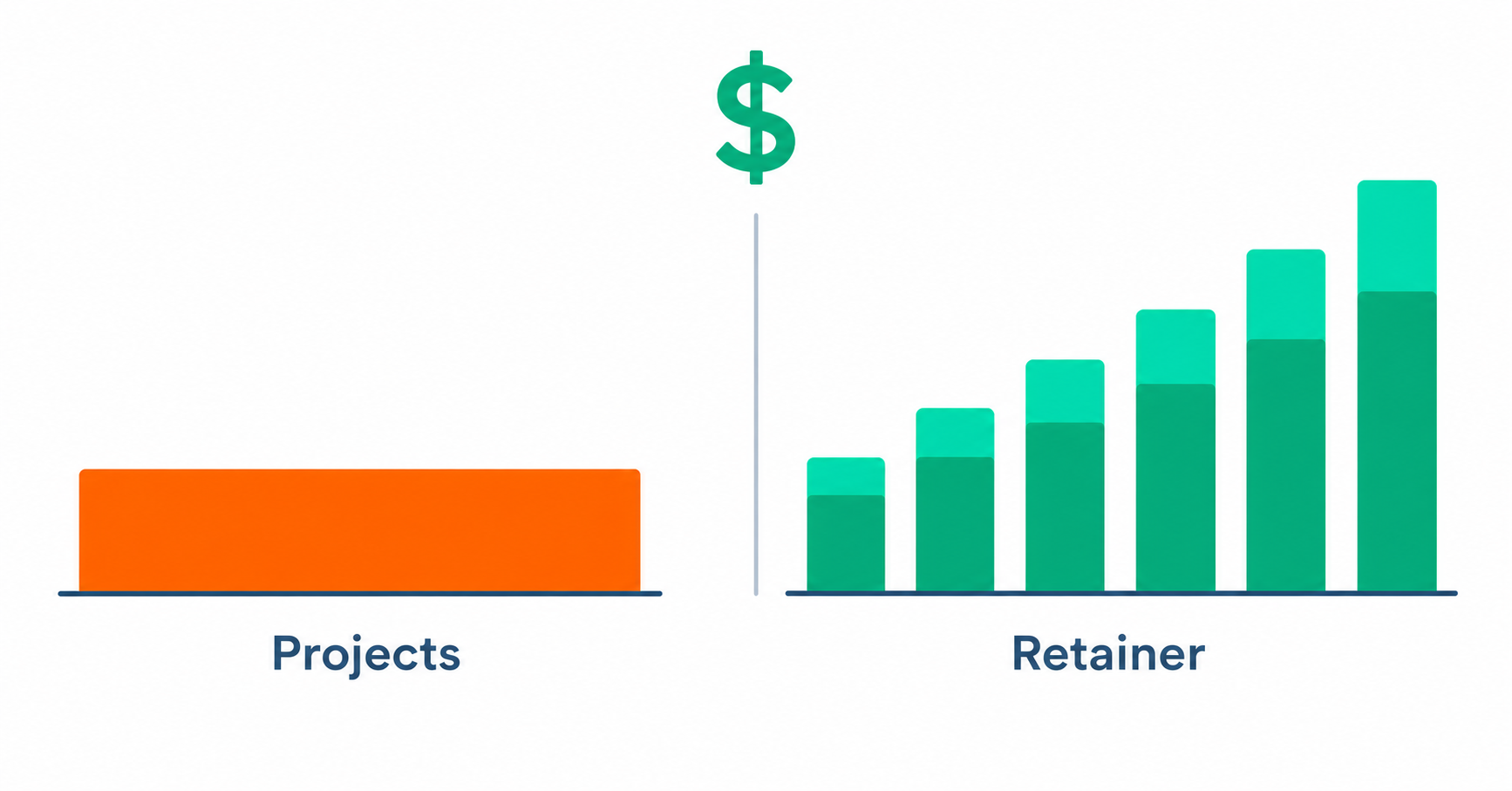
Quotivity's partner program is built around recurring retainer revenue, not one-time implementation fees. The CPQ Launchpad is a 90-day program that gets manufacturing clients live on Quotivity inside HubSpot quickly, with a clear handoff to a managed service retainer. For partners whose P&L depends too heavily on project revenue, this is the model that changes that ratio.
The clients most likely to need this are the ones you're already serving well. You built the CRM foundation. Quotivity is the quoting layer that protects that foundation from being replaced. If you're seeing any of these five signals in your manufacturing accounts, that's the conversation to start now.