Your Pricing Formulas Can Now Make Decisions
 Ryan Huff: Aug 25, 2026, 9:25:05 AM
Calculated Pricing supports FUNCTIONS starting today. Quote rules can set a line item property with a formula too. Here's how to build both.
Most sales teams track deal velocity at the pipeline level. They look at average days to close, count the deals that slipped, and try to figure out where things got stuck. The analysis usually points back to the same place: the quote.
Not the product. Not the pricing. The process around getting an accurate number to the customer fast enough to hold their attention.
Deal velocity is the speed at which an opportunity moves from initial contact to closed revenue. It is typically measured as average days to close, sometimes broken down by stage. A shorter cycle means more deals per quarter with the same headcount. A longer cycle means more at-risk opportunities and more time for competitors to get in front of your prospect.
Deal velocity is a summary number. It tells you how fast things are moving overall. It does not tell you where the friction is.
For most discrete manufacturers, the friction isn’t in the sales conversation. It’s in the quote. Three patterns account for most of the delay.
Approval chains that live in email. A rep finishes a quote on a Friday afternoon and routes it to a manager for discount approval. The manager sees it Monday morning. The prospect sent a note Saturday saying they were “thinking it over.” By Monday, “thinking it over” has become “we’re looking at a few options.” The deal didn’t stall because of the product or the price. It stalled because the approval sat in an inbox over a weekend.
This is not an unusual scenario. For manufacturers with multi-level approval requirements on discounts or custom configurations, every quote that needs a sign-off has a window where the deal can cool. The more that window is filled by email threads and manual forwarding, the more deals slip for reasons that have nothing to do with competitive position. The Hidden Deal Killer: Quote Approvals post covers this in more detail, but the core issue is that email approval loops are unmeasured time. Nobody knows how long approvals actually take because nobody is tracking it.
Manual configurations that require rebuilding from scratch. A rep is quoting a complex order: multiple product families, custom dimensions, volume-dependent pricing. There is no guided configuration flow, so they build it manually. They get the product combination wrong. The customer asks for a revision. The rep rebuilds it.
By the time the second version goes out, two things have happened. The customer’s urgency has shifted because the timeline stretched. And the rep has now spent hours on a single quote, which limits how many other quotes they can work on. One customer described spending “nearly six hours quoting this” and still getting errors. That’s not a rep problem. That’s a process problem. Automated quoting addresses this by giving reps a guided path through complex configurations so the first version is accurate.
Revision loops that signal a process that isn’t under control. The quote goes out. The customer requests a change: a different quantity tier, a substitute SKU, a different delivery schedule. The rep adjusts it manually and sends again. The customer has another change. Each revision cycle adds two to five days. Each round trip is a signal to the customer that getting to a final number is going to take effort.
This is where Aptarro’s experience is worth noting. Before they moved to a system where revisions didn’t require rebuilding from scratch, negotiation cycles were dragging across multiple rounds. After the change, they cut negotiation time by 79%. The product hadn’t changed. The pricing structure hadn’t changed. The time cost of each revision cycle dropped because the process behind it changed.
Deal velocity is a lagging indicator. It tells you what already happened. The quote is where you can actually intervene.
Every hour a quote sits in an approval queue is an hour the prospect is reconsidering. Every revision cycle is a chance for the deal to slip a quarter. Every configuration error requires a rebuild that burns rep time and tests customer patience.
If your average time to close is longer than you want it to be, the first question worth asking is not “how do we do better outreach” or “how do we run a tighter discovery call.” The first question is: how long does it take to get an accurate quote to the customer, and what happens between “sent” and “signed”?
That gap is where deals are won or lost.
 Ryan Huff: Aug 25, 2026, 9:25:05 AM
Calculated Pricing supports FUNCTIONS starting today. Quote rules can set a line item property with a formula too. Here's how to build both.
 Ryan Huff: Aug 17, 2026, 1:51:18 PM
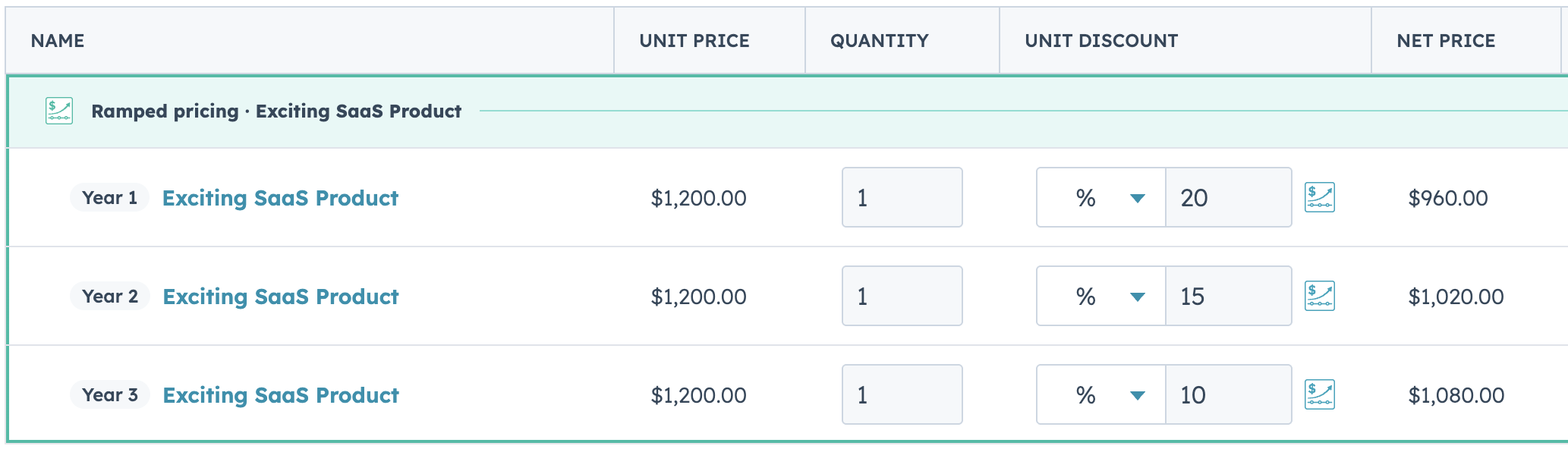
Multi-Period Ramp Pricing is live on Enterprise. Set your periods and your discounts, and Quotivity builds the rest of the ramp for you.

 Quotivity: Aug 17, 2026, 9:43:48 AM
I've heard more than one partner consultant say that CPQ doesn't come up with clients. The need comes up constantly. It just shows up wearing...
 Quotivity : Jun 16, 2026, 9:00:00 AM
Streamline your quote approval process with rule-based systems to reduce delays, enhance decision-making, and keep deals moving forward efficiently.
 Nikki Zangardi : May 23, 2025, 12:00:00 AM
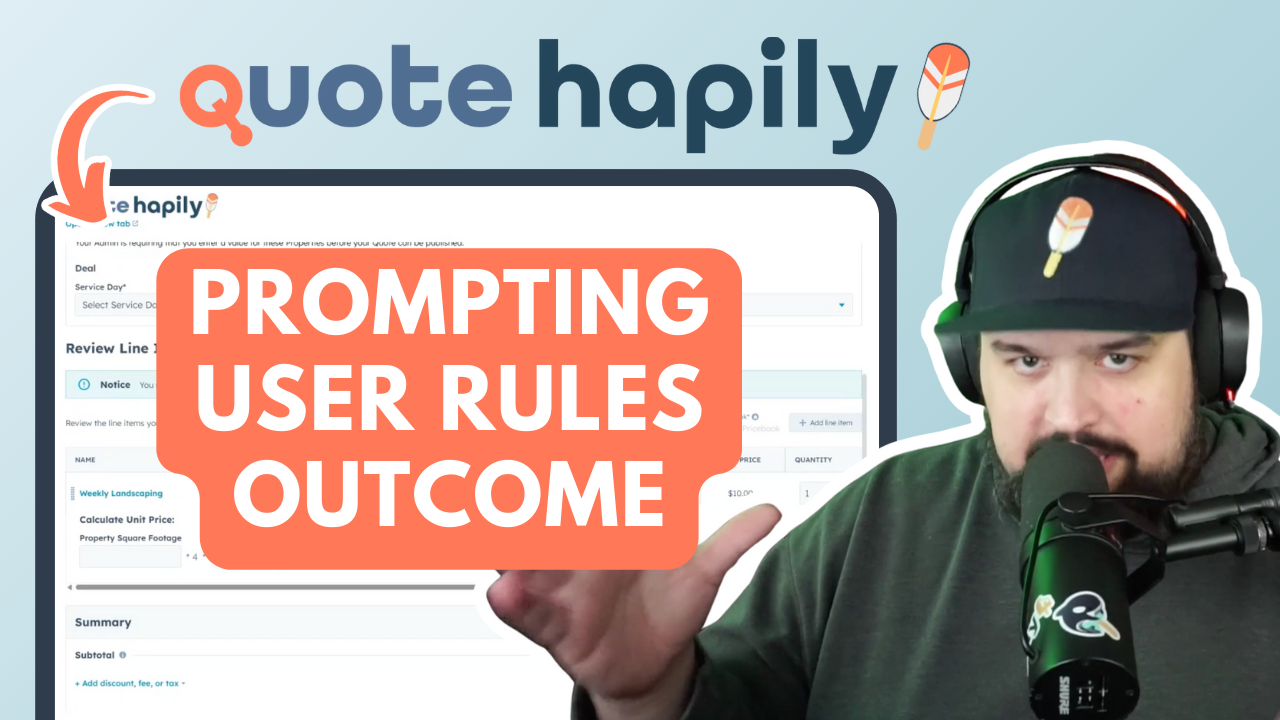
Make quoting smoother for reps and buyers. Prompt User in Quotivity collects key info mid-quote to keep deals moving without back and forth headaches.
 Nikki Zangardi : Dec 13, 2024, 8:00:00 AM
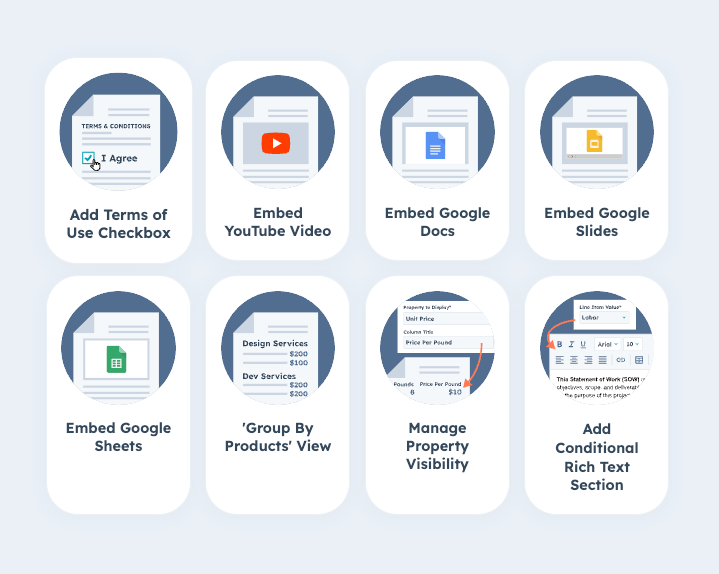
Customize your HubSpot quote templates with a library of Quote Modules to create personalized, professional, and persuasive quotes that fit any deal...