
Your Pricing Formulas Can Now Make Decisions
Calculated Pricing supports FUNCTIONS starting today. Quote rules can set a line item property with a formula too. Here's how to build both.

Nothing kills momentum faster than a quote sitting in someone's inbox waiting for approval.
Rule-based quote approvals is one of the most used features in Quotivity. That tells you something about how messy the default process is, and why it's worth getting right. There are three things that consistently fix it.
The default process on most B2B teams running HubSpot looks like this. Rep finishes the quote and sends it to a manager over Slack or email. The manager gets to it when they get to it. The rep follows up the next day. The buyer waits. "There's nothing systemized that manages those approvals or the discounts that's been given or any of that," one prospect told us before they set up rule-based approvals. "It's offline."
Unlike negotiation or discovery, time waiting on an internal sign-off adds nothing to the deal. It only adds risk. Every hour a quote sits unanswered is an hour the prospect is shopping or going cold.
The problem isn't that teams don't care about approvals. It's that the approval process was never designed — it accumulated. A manager asked to be looped in on big discounts, so reps started Slacking before every send. Then it became the default. Then it became a requirement nobody documented. Now every quote goes through a person instead of a rule, and nobody remembers why.
Three things consistently fix this, and they're the same three things we built rule-based approvals around.
Most teams over-approve. Not every quote needs a manager. When you define the triggers precisely (under 10% discount: auto-approved; over 10%: manager approval), reps stop guessing and managers stop getting pinged on quotes that were never at risk. The rules do the filtering.
This sounds obvious until you watch how most teams actually implement it. The threshold exists in the manager's head, not in the system. One rep's 10% is another rep's 15%. Without a written rule enforced by the tool, the approval process is just a person making a judgment call every time.
"Can you approve this?" over Slack is a request to start a conversation. When the request arrives with the exact rule that triggered it, the deal size, the discount level, and the line item breakdown, the approver can decide in minutes without scheduling a call. That's what eliminates the back-and-forth.
The context also changes the quality of the decision. A manager reviewing a request that shows "23% discount on a $42K deal against a 15% threshold" is making a real call. A manager reviewing "hey can you look at this?" is doing detective work before they can even start.
If a rep can see where an approval stands (submitted, under review, resolved), they stop chasing people on Slack and start working the next deal. Most of the internal friction in the approval process is not the approval itself. It's the absence of a status.
Reps follow up not because they're impatient but because they have no other way to know. A visible status removes the reason to ask.
When all three are in place, the approval stops being a bottleneck and starts acting like a guardrail. Teams using rule-based approvals in Quotivity see approval cycles up to 75% faster. The quote moves at the speed of the decision, not the speed of the inbox.
The rep builds the quote. If it clears the threshold, it goes out. If it doesn't, it routes to the right person with everything they need attached. The rep sees a status. The manager approves or pushes back with a note. The deal moves.
That's not a complex system. It's a rule, a notification, and a status field. The version most teams are running today has none of those three things. Which is why approvals show up in almost every conversation we have about where quoting time actually goes.
Calculated Pricing supports FUNCTIONS starting today. Quote rules can set a line item property with a formula too. Here's how to build both.
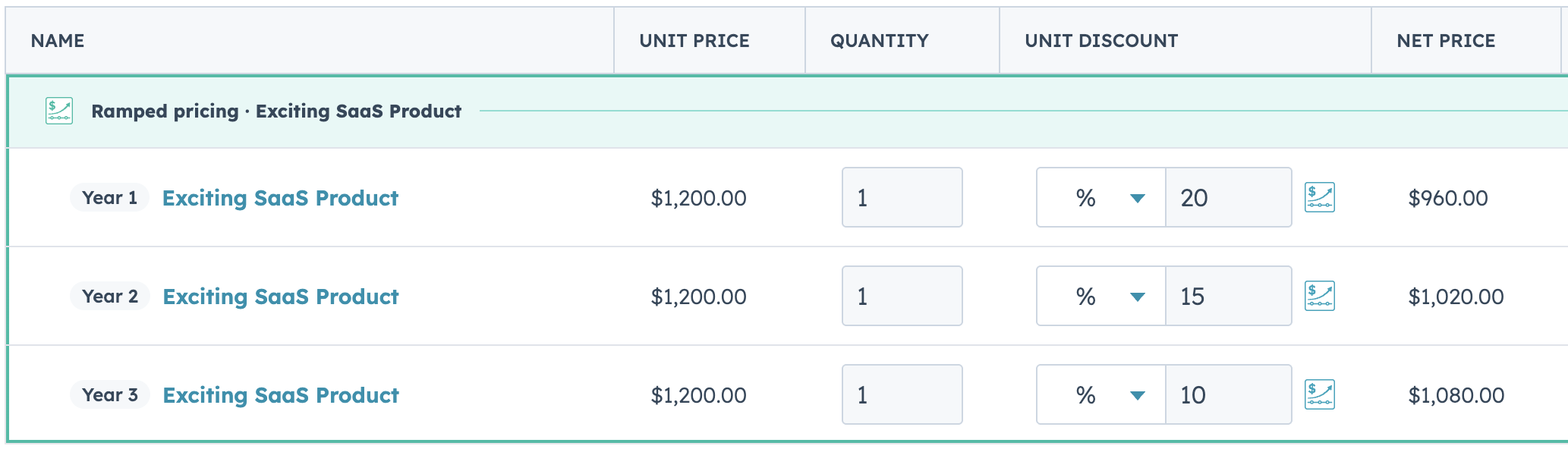
Multi-Period Ramp Pricing is live on Enterprise. Set your periods and your discounts, and Quotivity builds the rest of the ramp for you.

I've heard more than one partner consultant say that CPQ doesn't come up with clients. The need comes up constantly. It just shows up wearing...
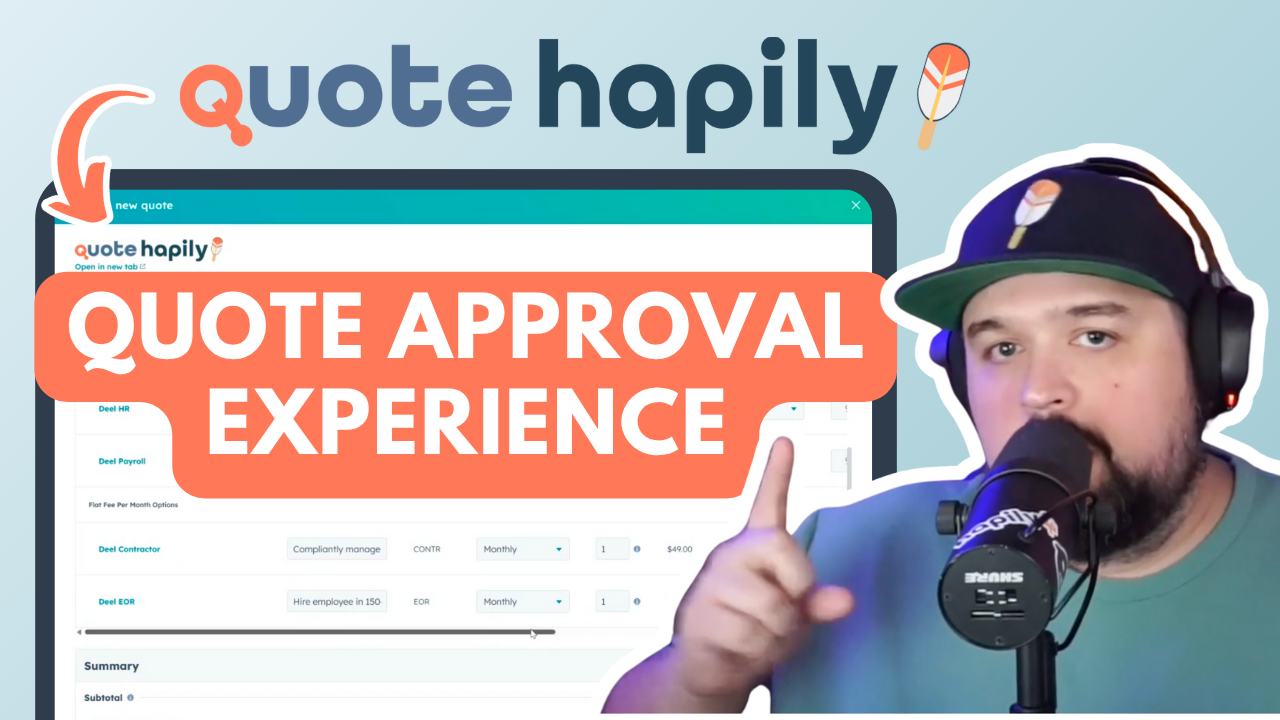
Learn how Quotivity turns quote approvals in HubSpot into a fast, structured, and scalable process that protects margin without slowing down sales.
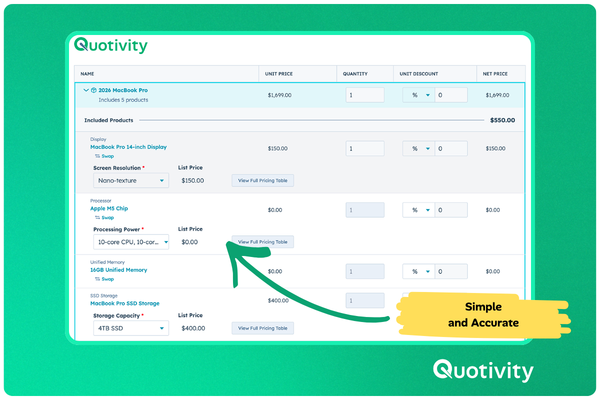
Quotivity's new Product Configurator streamlines product configuration in HubSpot, making it easy for reps to select valid options without confusion.

Discover how Quotivity’s Rules Engine keeps your HubSpot quotes fast, compliant, and airtight — with built-in approvals, smart discount controls, and...